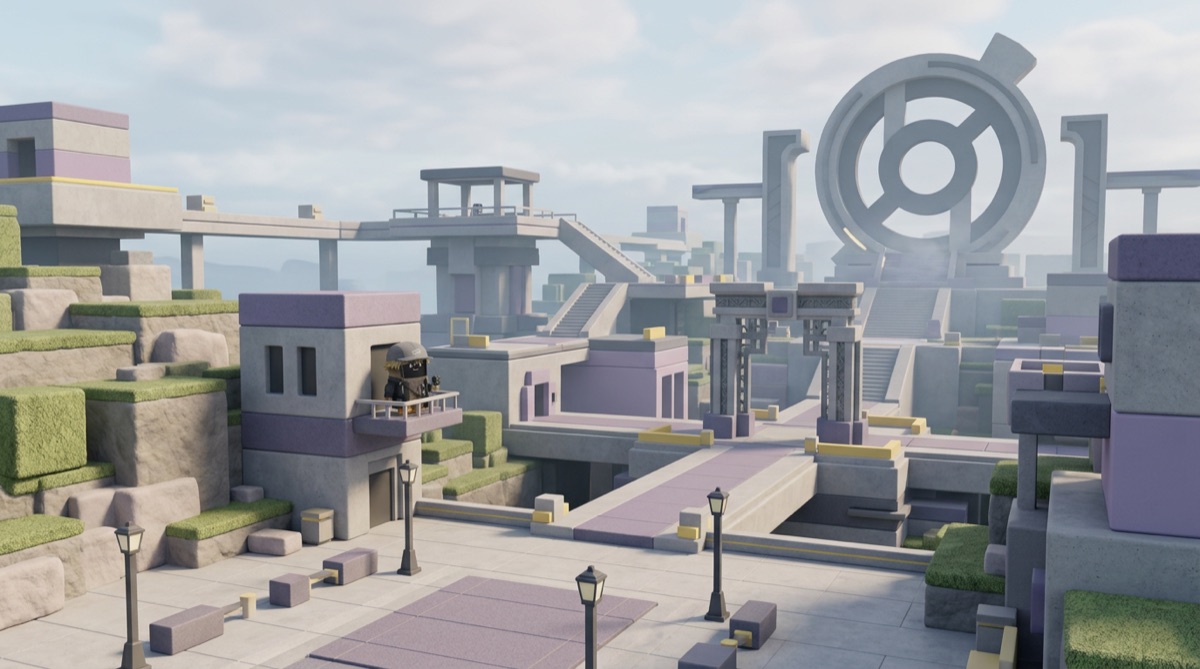
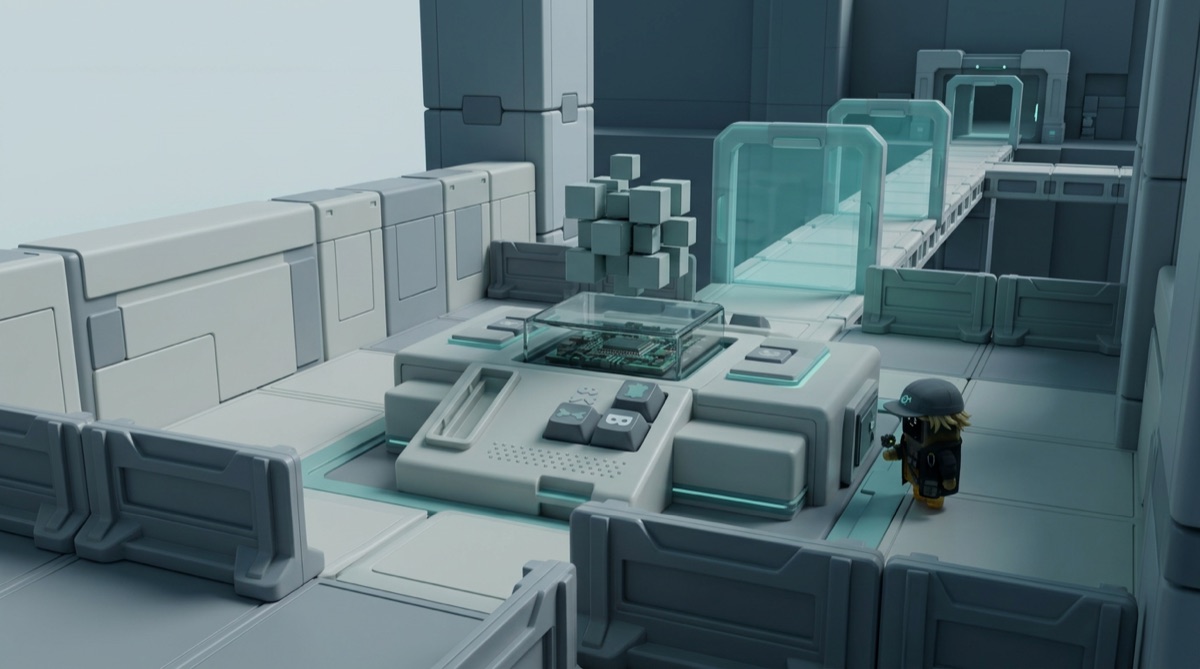
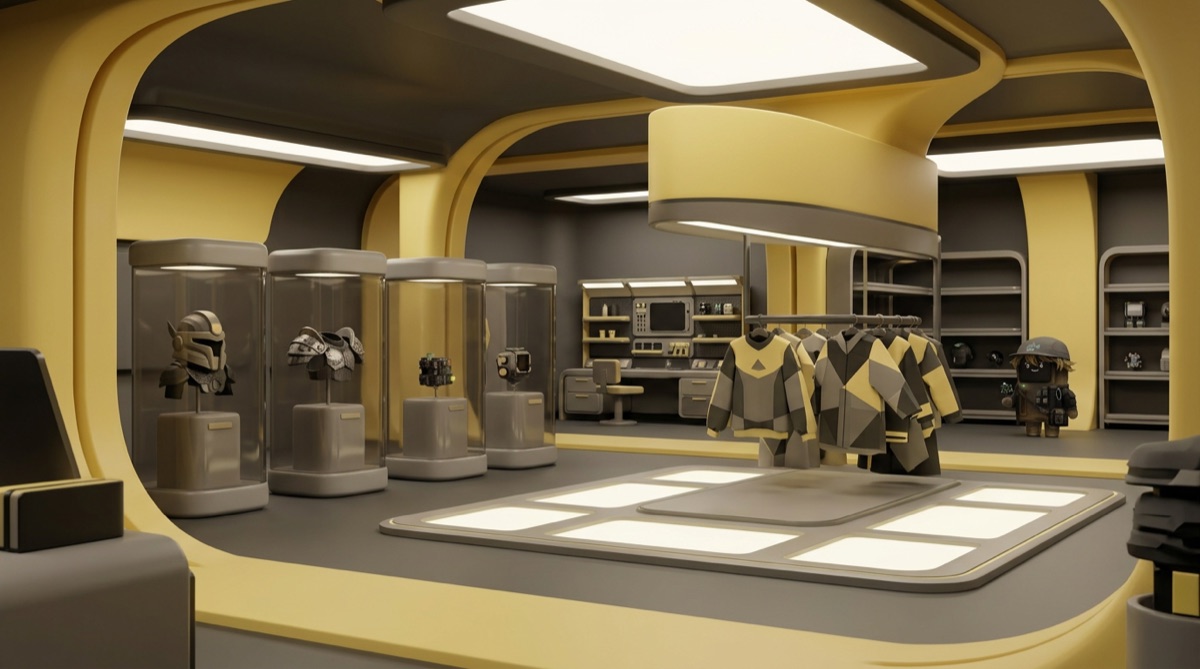
Start with a format, not a billboard. The brands that last on Roblox treat it as a place people already live — not a media channel they rent for a week.
Do not start with a billboard
Roblox is not a younger version of YouTube. People do not open it to watch a brand. They open it to play with friends, dress an avatar, grind a loop and come back tomorrow. That is why the old playbook — buy reach, drop a logo, leave after four weeks — keeps underperforming.
Industry reporting through 2025 and 2026 keeps landing on the same shift: brands are moving from standalone destinations toward embedding inside games that already have an audience. Owned worlds still matter, but they are a second move, not a first impression.
Most first entries work better as a native moment inside a game people already play.
Enter through a format you can staff
A good entry is a format with a budget, a team and a reason to return. A UGC drop is the lightest: one item, a clear story, a window of scarcity. A native integration sits inside someone else’s hit and borrows their loop. An owned world is a product — it needs live ops, community and a content calendar after launch.
Pick the format that matches how long you can stay. If the brand can only fund six weeks, do not open a park. If the brand can fund a year, do not spend it all on a single skin.
UGC lets a brand become something a player chooses to wear after the campaign ends.
Measure participation, not only reach
Impressions on Roblox are a weak proxy. Dwell, repeat visits, items equipped and creator remixes tell you whether people wanted the thing. Roblox’s own brand studies keep repeating the same pattern: interactive placements hold attention longer than static ads, and the effect shows up off-platform when the loop is actually fun.
Enter with a question, not a slogan. What will a player do in the first ninety seconds? If the answer is “look at a logo”, you are still advertising. If the answer is “play, wear, invite a friend”, you have entered the platform.