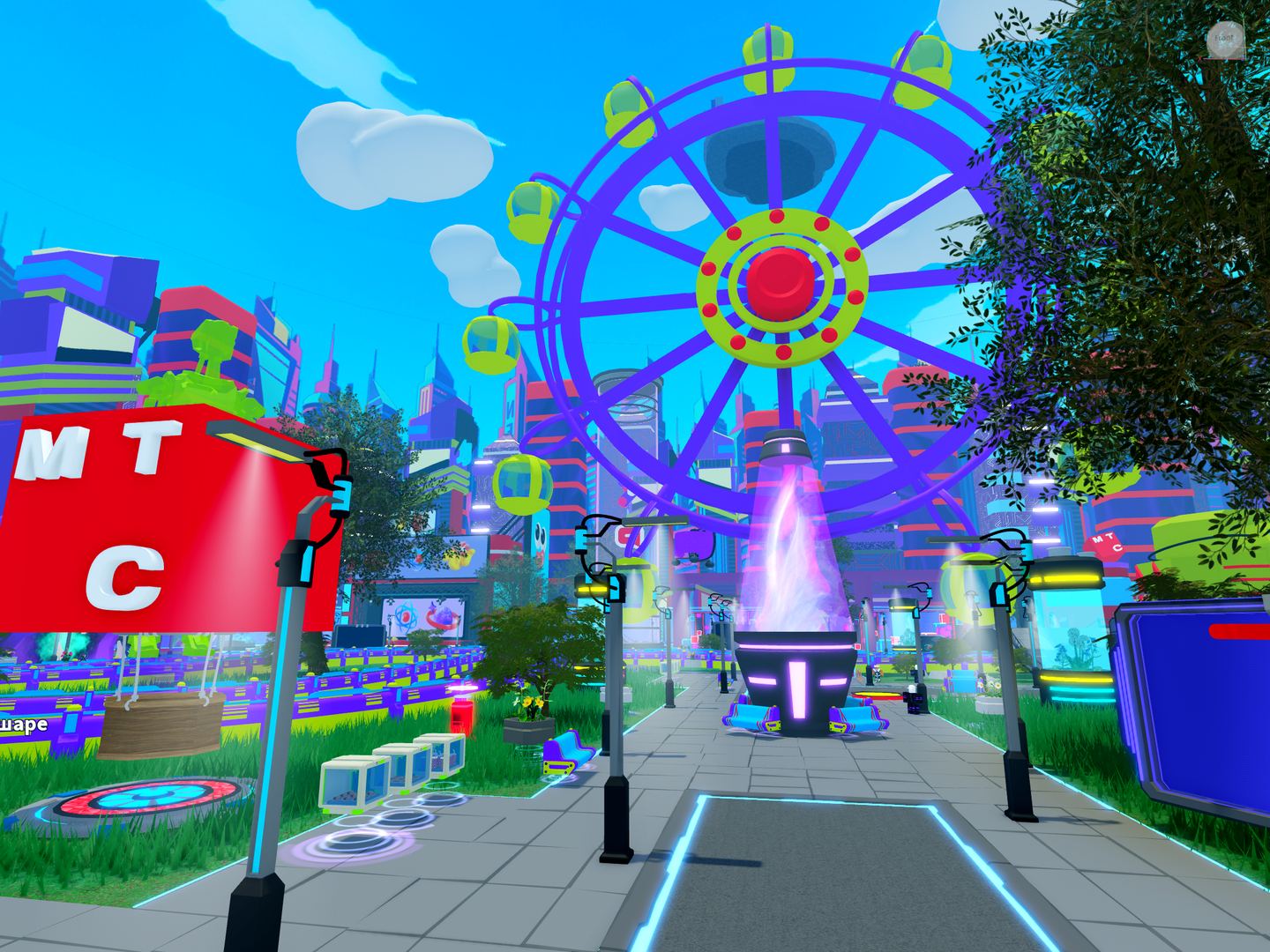
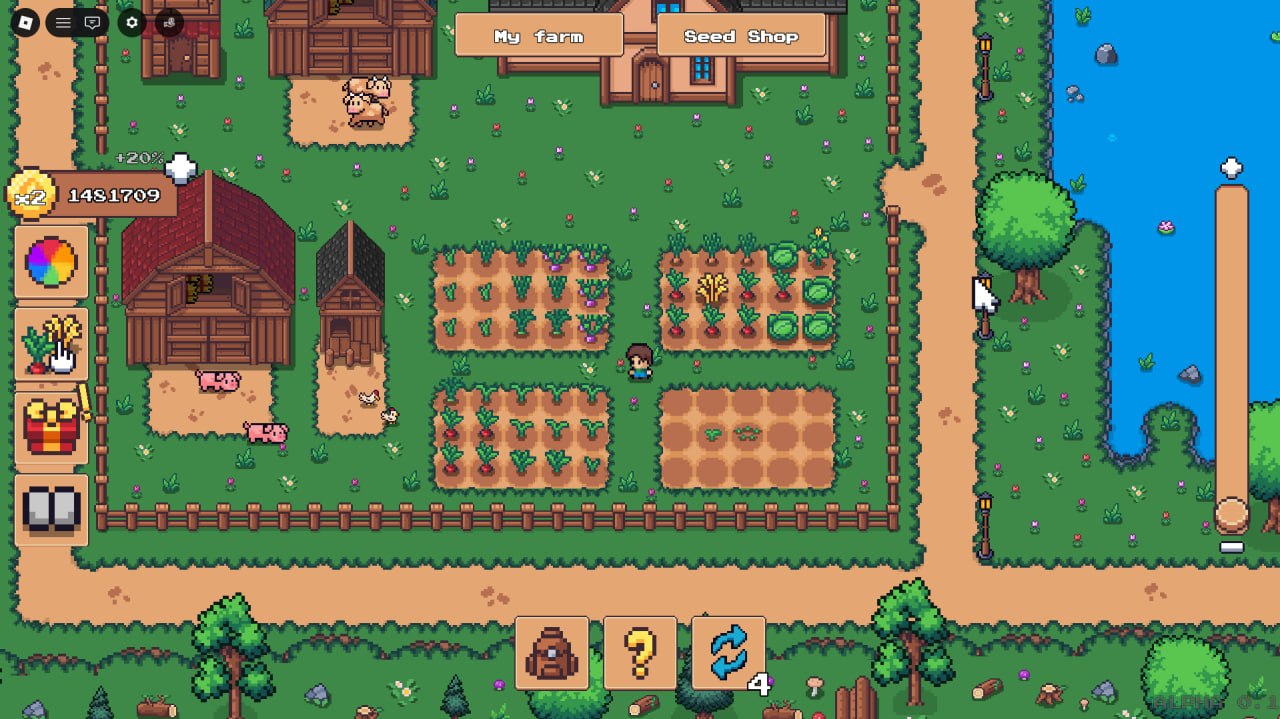
The games that work are games first. Brand is the reason they exist; the loop is the reason people stay.
If it is not a game, it will not be visited twice
Branded Roblox projects fail in a predictable way. The world looks expensive, the first session is a tour, and nobody comes back on Tuesday. Players can smell a showroom. They stay for a loop: a goal, a skill, a reward, a reason to invite a friend.
That is why the stronger 2024–2026 case studies keep pivoting toward playable systems. Retail and QSR brands that treated Roblox as a 3D catalogue have had to rebuild around quests, collecting and social play. The ones that already behaved like games — persistent worlds with seasons, items and roles — keep a baseline of daily traffic after the PR window closes.
Launch day is the start of the product, not the end of the campaign.
Live ops is the product
A Roblox experience without updates is a closed theme park. The teams that hold attention staff the world after launch: new quests, creator codes, limited UGC, events tied to the brand calendar. Nike, Gucci and other long-running worlds are not “campaigns that lasted”. They are live products with someone on the clock.
Budget the second season before you ship the first. If there is no money for live ops, ship a smaller format — a drop or an integration — instead of a destination you cannot feed.
A clear loop — plant, harvest, expand — beats a branded empty lobby every time.
Brand sits inside the loop, not on top of it
The brand should change what the player is doing, not only what they are looking at. A telecom literacy quest, a farm that teaches a product line, a race that uses the brand’s vehicles — those are arguments the game can make without a pop-up.
Measure session length, day-7 return and items equipped. If those numbers move, the brand is working. If only media reach moves, you built an ad with extra polygons.