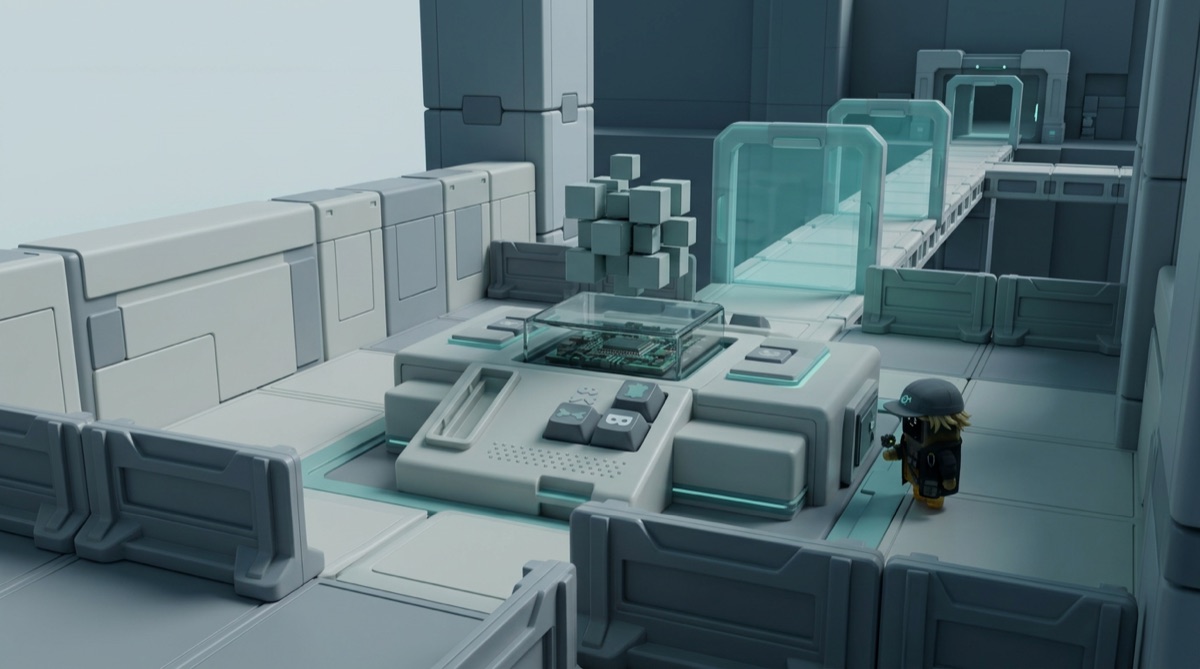
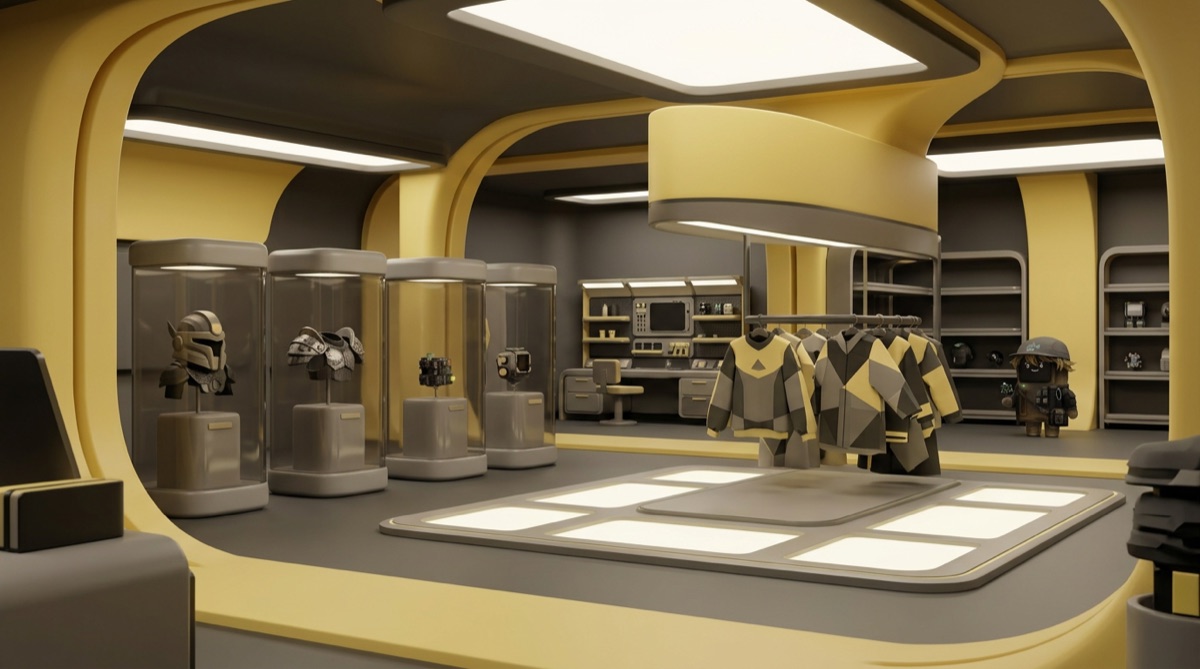
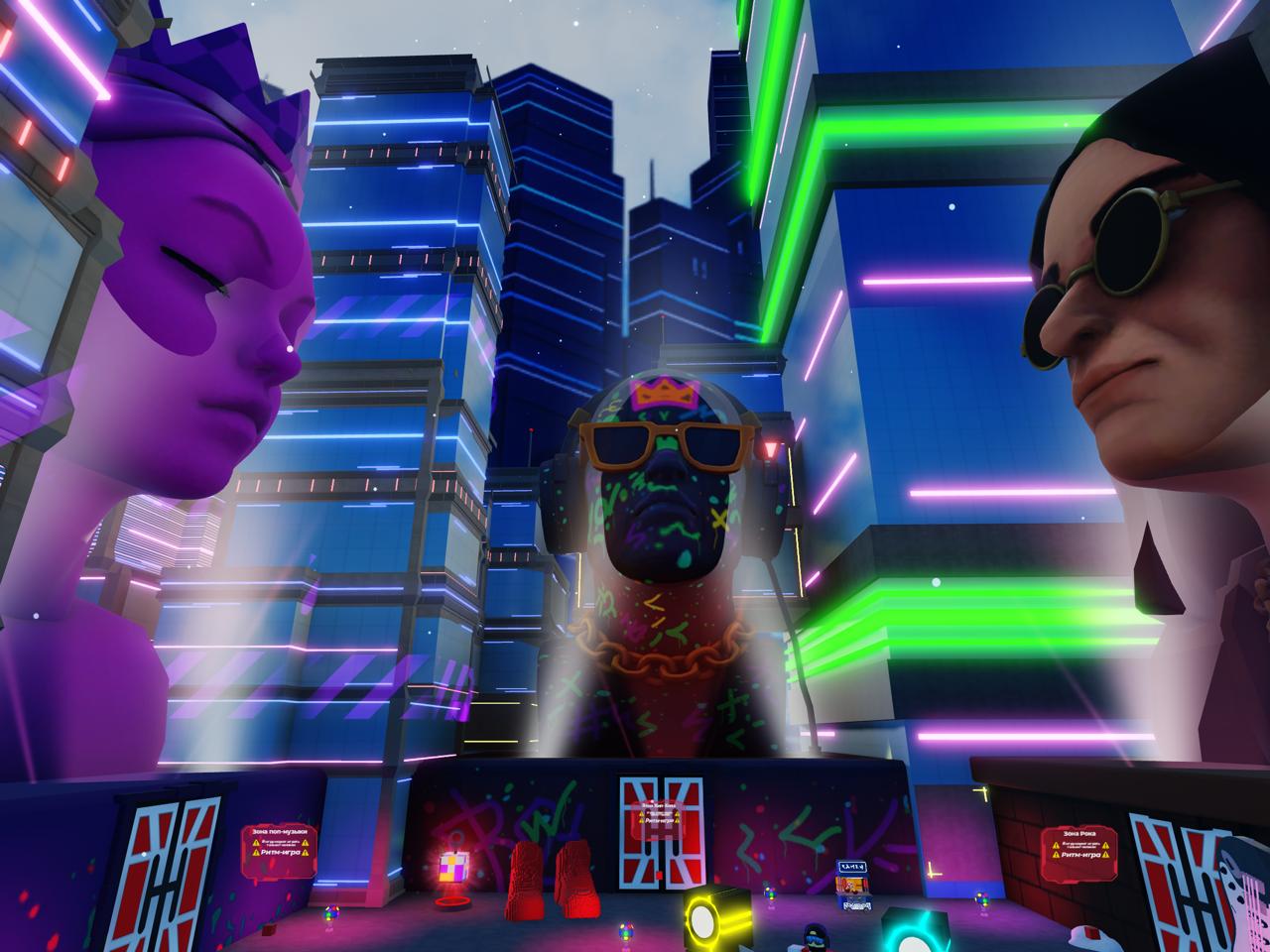
Three formats, three levels of commitment. The right one is the one your team can still support after the launch week photos are done.
UGC: become part of the avatar
Digital items are how Roblox players signal who they are. A clothing drop, a limited accessory or an event reward can put the brand on millions of avatars without asking anyone to visit a new place. It is the right first move when you need proof of demand, a creator story or a merch line that lives after the campaign.
UGC is not a world. It will not teach a product in depth. It will tell you whether people want to wear you.
UGC is the lightest format: identity, not infrastructure.
Integrations: borrow a game that already works
Native integrations put the brand inside a title people already choose. That is the 2025–2026 gravity well: less “come to our map”, more “meet us in the game you already play”. Done well, the brand becomes a mechanic, a location, a tool or a seasonal event — not a poster on a wall.
The trade-off is control. You inherit someone else’s audience and someone else’s live-ops calendar. You also inherit their constraints. Integrations are fastest to learn from and easiest to turn off.
An owned world is a product. It needs systems, seasons and a reason to return.
Owned worlds: only if you will live there
A branded game or world is the heaviest format. It is also the only one that can hold a full product story: literacy, farming, racing, a junior brand universe. It needs a loop, a visual language, UGC rewards and a team after launch.
Build a world when the brand has a reason to stay for a year, not a reason to trend for a week. If that commitment is not real, start with UGC or an integration and earn the world later.